
The Impact of Smart Technology on the Retail Industry
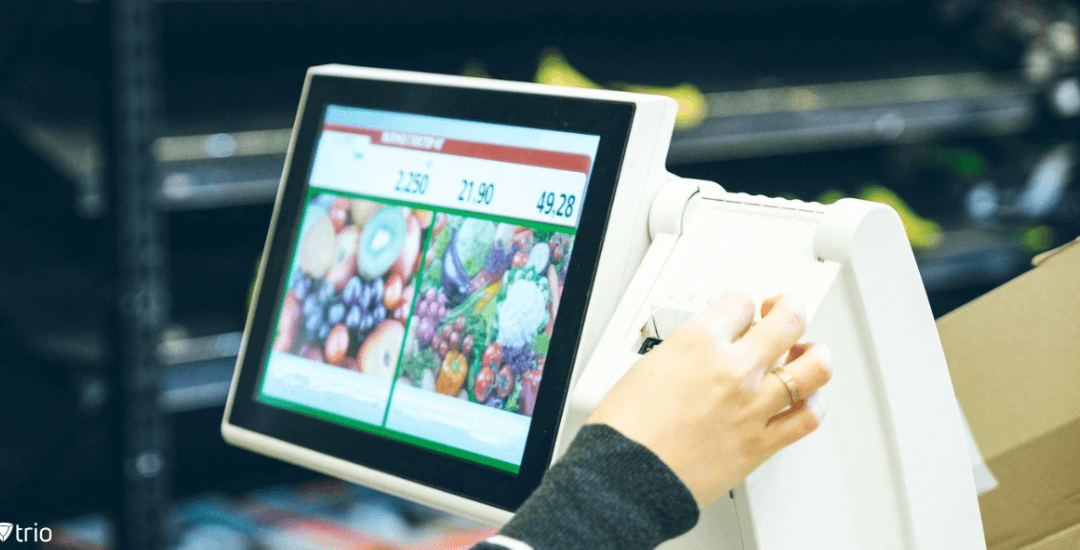
The integration of smart technology in the retail industry has fundamentally altered the way businesses operate and interact with consumers. By harnessing data analytics, retailers can create highly personalized shopping experiences that cater to individual preferences. Additionally, automated inventory management systems ensure efficiency and accuracy in stock levels, while mobile payment options enhance transaction convenience. As these advancements unfold, the implications for consumer behavior and market dynamics become increasingly complex and noteworthy.
Enhancing Customer Experience Through Personalization
As consumers increasingly seek tailored shopping experiences, retailers are turning to smart technology to enhance customer interaction through personalization.
By analyzing customer preferences, businesses can deliver tailored recommendations that resonate with individual needs. This shift not only improves customer satisfaction but also fosters loyalty, as shoppers feel understood and valued.
Consequently, smart technology becomes essential for retailers aiming to create meaningful connections with their clientele.
Streamlining Operations With Smart Inventory Management
While the retail landscape evolves, effective inventory management remains a cornerstone of operational efficiency.
Smart technology enhances inventory processes through automated tracking and accurate demand forecasting. By leveraging real-time data analytics, retailers can optimize stock levels, reduce waste, and respond swiftly to consumer trends.
This adaptability not only streamlines operations but also empowers retailers to meet customer needs with greater precision and freedom.
The Role of Mobile Payments and Contactless Solutions
How can mobile payments and contactless solutions reshape the retail experience?
By facilitating seamless transactions through mobile wallets and digital currencies, these technologies enhance consumer convenience and efficiency. Shoppers enjoy faster checkouts, reduced wait times, and improved security.
Retailers benefit from increased customer satisfaction and loyalty, ultimately redefining the shopping landscape and empowering consumers with a sense of freedom in their purchasing choices.
Conclusion
In conclusion, the integration of smart technology in retail not only enhances customer experiences but also streamlines essential operations. A noteworthy statistic reveals that 80% of consumers are more likely to make a purchase when brands offer personalized experiences, underscoring the significance of data analytics in fostering loyalty. As retailers increasingly adopt these innovations, they position themselves to meet the evolving expectations of their clientele, ultimately transforming the retail landscape and driving sustainable growth.


