Autonomous Vehicle Technology
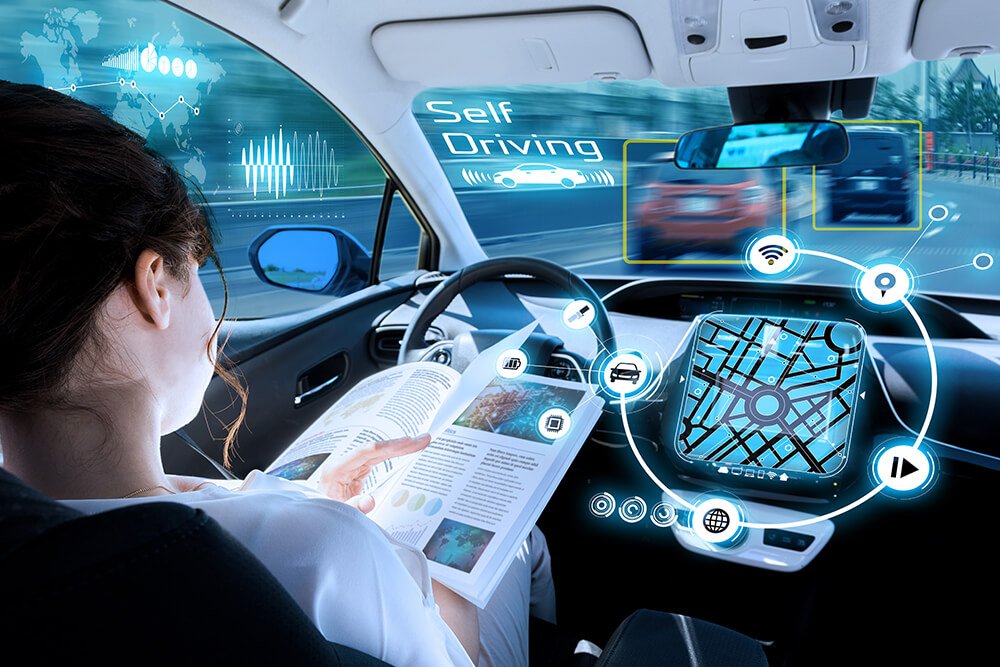
Autonomous vehicle technology is transforming the transportation landscape. Innovations in sensor fusion and machine learning enhance vehicle capabilities, improving safety and efficiency. However, significant challenges remain, including regulatory issues and public trust. Ethical considerations in decision-making are also critical. As this technology continues to evolve, its impact on urban mobility raises important questions about accessibility and societal implications. What measures will be taken to address these complex issues?
Current Innovations in Autonomous Vehicle Technology
As advancements in technology continue to reshape various industries, the realm of autonomous vehicles has witnessed significant innovations that promise to revolutionize transportation.
Key developments include enhanced sensor fusion techniques, which integrate data from multiple sources to create a comprehensive environmental understanding.
Additionally, machine learning algorithms enable vehicles to adapt and improve their decision-making capabilities, paving the way for safer and more efficient autonomous travel.
Safety and Ethical Considerations
A myriad of safety and ethical considerations arises as autonomous vehicles become increasingly integrated into everyday transportation.
Central to this discourse are issues of accident liability and the moral dilemmas faced by algorithms in life-and-death situations.
As vehicles make decisions, questions emerge about accountability and the ethical frameworks guiding these technologies, challenging the pursuit of freedom and safety in modern mobility.
Challenges Facing the Industry
Numerous challenges confront the autonomous vehicle industry as it strives for widespread adoption and integration into existing transportation systems.
Regulatory hurdles pose significant obstacles, often hindering innovation and deployment. Additionally, public perception remains a critical issue; skepticism about safety and reliability can stifle consumer acceptance.
Overcoming these barriers is essential for the industry to realize its potential and enhance personal mobility freedom.
Future Implications for Urban Mobility
While the potential of autonomous vehicles to reshape urban mobility is immense, their integration into city landscapes presents both opportunities and challenges.
Urban planning must adapt to accommodate these technologies, ensuring efficient infrastructure and promoting transportation equity.
As cities evolve, the equitable distribution of autonomous services will be crucial, fostering freedom of movement for all residents while addressing systemic inequalities in urban transportation systems.
Conclusion
In a world teetering on the brink of a transportation revolution, autonomous vehicle technology emerges as the harbinger of unparalleled safety and efficiency. Yet, as these mechanical marvels navigate the ethical labyrinth of decision-making, the industry faces monumental challenges that could redefine urban mobility. With every innovation, society inches closer to a future where vehicles not only drive themselves but also shape the very fabric of our daily lives, heralding a new era of transportation beyond imagination.